
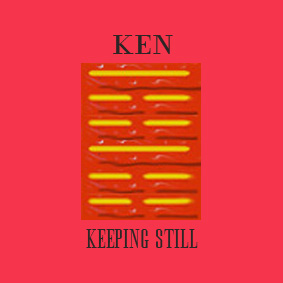
52. Ken; Keeping still Above; Ken Keeping Still mountain Below; Ken Keeping Still mountain |
21st Century |
Comparisons |
| From the heart of the earth a mountain
thrusts out. Apparently immutable.
Stillness brings unshakeable fortitude and resolve. To be still in all your chakras and to allow the simple energy of nature to flow through you rather than jag you hither and thither, this preserves. This then can withstand all which heaven can deliver. In the beginning intuition should rule, and so one should not acquire the vices of people who will come to rule them, because then they no longer can rule themselves. Calmness should come unhurriedly and naturally. To force calm has side effects. It bottles the aroused energy, does not transform it. One can easily talk too much. Considered words will be less harmful than shooting off at the lip. One should not read resignation in people as defeat. It brings calm for many and reconciliation with the tides which move us.
|
Line 1 |
Below are the comparative interpretations of a) Legge, b) Willhelm, c) Riefler, d) Crowley
a) keeping his toes at rest. There will be no error; but it will be advantageous for him to be persistently firm and correct.
b) Keeping his toes still. No blame. Continued perseverance furthers.
c) His toes are still. No mistakes. Keep to your course.
d) Plant firm thy feet; repose be now thy law;
a) keeping the calves of his legs at rest. He cannot help (the subject of the line above) whom he follows, and is dissatisfied in his mind.
b) Keeping his calves still. He cannot rescue him who he follows. His heart is not glad.
c His calves are still. He cannot aid the man in front of him and he feels frustrated.
d) Thy legs - 'twere ill to advance them or withdraw.
a) keeping his loins at rest, and separating the ribs (from the body below). The situation is perilous and the heart glows with suppressed excitement.
b) Keeping his hips still. Making his sacrum stiff. Dangerous. The heart suffocates.
c) His haunches are still. His back is rigid. The situation is perilous. Painfully, he stifles his excitement.
d) If loins move, the heart's liable to riot
a) keeping his trunk at rest. There will be no error.
b) Keeping his trunk still. No blame.
c) His trunk is still. No mistakes.
d) Keep still thy body's fidget's, Johnny Taw.
a) keeping his jawbones at rest, so that his words are (all) orderly. Occasion for repentance will disappear.
b) Keeping his jaws still. The words have order. Remorse disappears.
c) His jaw is relaxed; his words are orderly. Guilt disappears.
a) devotedly maintaining his restfulness. There will be good fortune.
b) Noble hearted keeping still. Good fortune.
c) He devotes himself to remaining at rest. Auspicious.
d) Fortune attends who persevere in quiet: